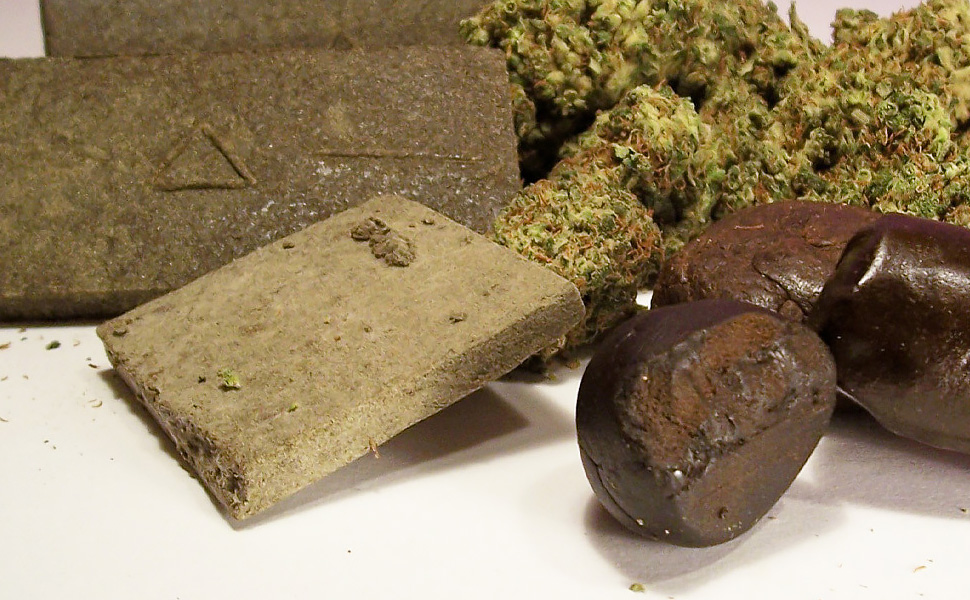
When you think of hashish, you might imagine smoke-filled lounges and the hazy relaxation of a bygone era. But hashish, that age-old substance with deep roots in cultural traditions, has evolved significantly from its ancient origins. Let’s take a trip through time and explore how hashish production has transitioned from the dusty alleys of ancient civilizations to the sleek, high-tech facilities of today.
A Whiff of History
The story of hashish begins in ancient Central Asia, where it was first crafted from the resin of cannabis plants. The name “hashish” itself comes from the Arabic word “hashish,” which means “grass.” In those days, hashish was a prized commodity, deeply entwined with social and religious practices. Historical records suggest that it was used not only for its psychoactive effects but also for its supposed medicinal properties.
One fascinating snippet from history involves the medieval Islamic world. Hashish was so integral to some cultures that it was consumed in various forms and even found its way into literature. The famous Persian poet Omar Khayyam, known for his Rubaiyat, wrote verses that hinted at the pleasure and enlightenment hashish brought to its users.
Crafting Hashish: From Old School to New School
In the olden days, making hashish was a labor-intensive process. Harvesters would gather the resin from cannabis plants, often by rubbing the plants with their hands, and then compress it into bricks or cakes. This method, while effective, was rudimentary and quite sticky—imagine trying to clean your hands after handling a bunch of fresh resin!
Fast forward to today, and the process of making hashish has come a long way. Modern production methods are more sophisticated, leveraging advances in technology to make the process cleaner and more efficient.
- The Dry Sift Method
This method remains relatively traditional but has been fine-tuned. It involves sifting dried cannabis flowers through a series of screens to separate the trichomes, the tiny, resinous glands that contain the psychoactive compounds. The result is a fine, powdery substance that can be pressed into hash. Think of it as the modern-day equivalent of sifting flour—except, in this case, you’re left with a much more potent ingredient.
- Ice Water Extraction
For those who enjoy a splash of innovation, the ice water extraction method is a game-changer. Cannabis flowers are mixed with ice-cold water, causing the trichomes to become brittle and separate from the plant material. This mixture is then filtered through a series of screens or bags, each with progressively finer mesh, to collect the resin. The final product is often a high-quality, sticky hash known as “bubble hash,” thanks to the bubbles formed during the process.
- Solvent-Based Extraction
For the tech enthusiasts, solvent-based extraction is where science meets art. In this process, solvents like butane or CO2 are used to dissolve the cannabinoids from the plant material. The resulting extract is then purged of the solvent, leaving behind a potent, concentrated hashish. This method allows for precise control over the final product’s quality and potency.
- Rosin Pressing
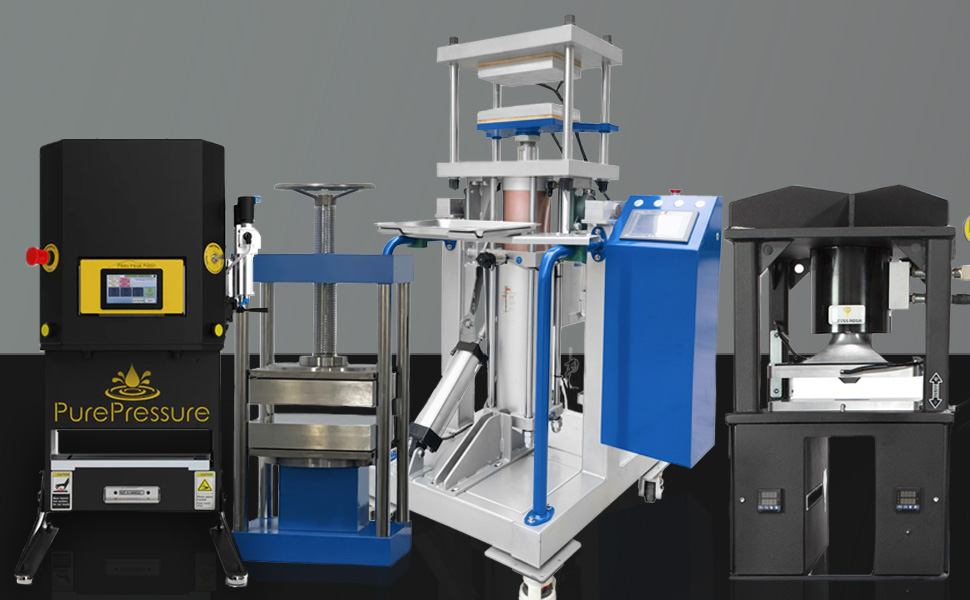
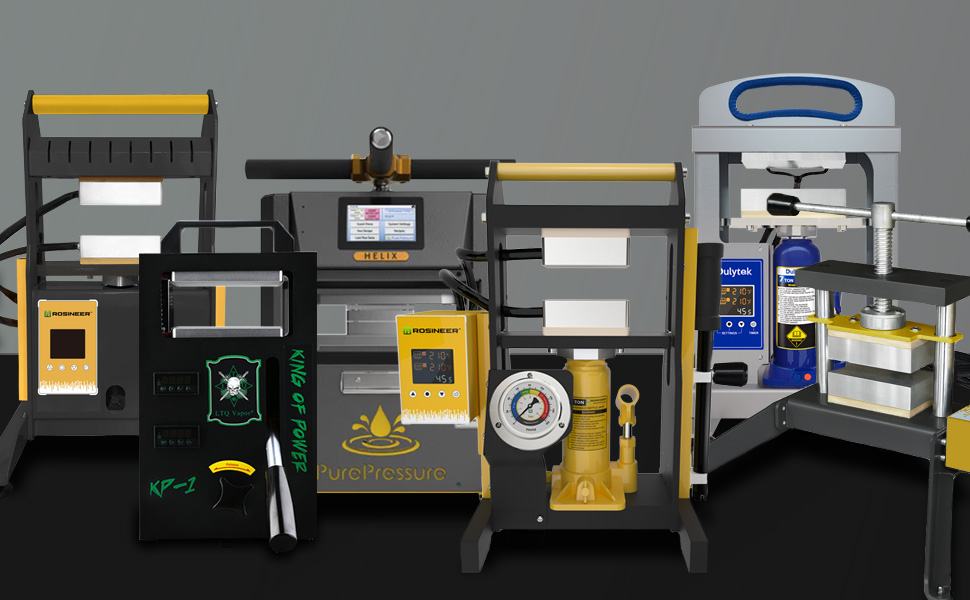
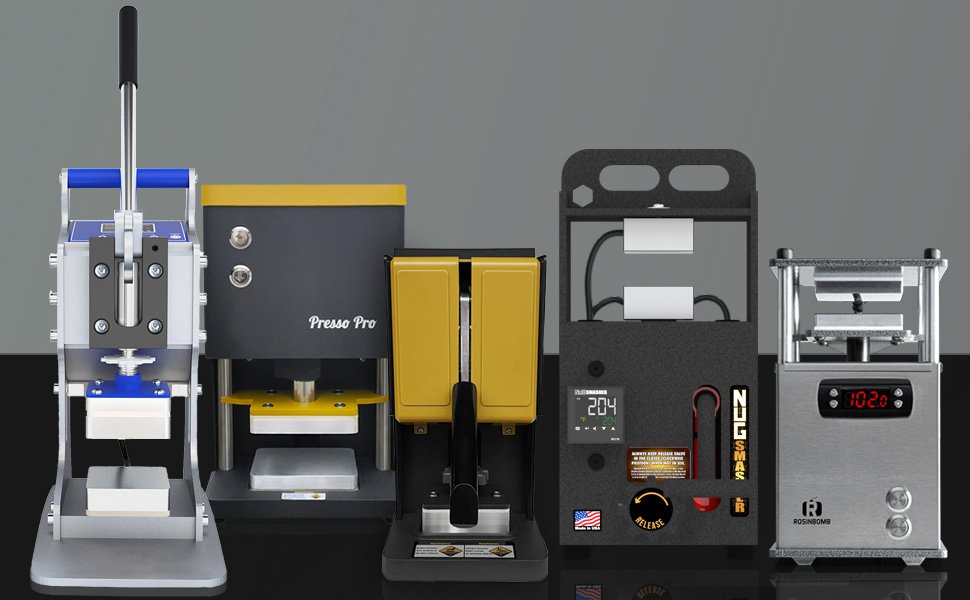
Another cutting-edge technique is rosin extraction, which has gained popularity for its simplicity and efficiency. This method uses heat and pressure to squeeze out the resin from cannabis flowers or hash. By placing the plant material between two heated plates and applying pressure, the resin is forced out and collected as a sticky, potent concentrate. The beauty of rosin is that it’s entirely solventless, preserving the purity of the hashish while allowing for a variety of textures and consistencies.
Quality Control: A Modern Touch
One of the major advancements in hashish production is the emphasis on quality control. Today’s producers use lab testing to ensure consistency and potency, a far cry from the days when quality was more about luck and reputation. These tests check for everything from cannabinoid levels to contaminants, ensuring that what reaches the consumer is both safe and effective.
Hashish in the Modern World
While hashish remains a product with deep historical roots, its modern production methods reflect a broader trend toward precision and refinement. Whether you’re enjoying a piece of hash from a sleek dispensary or learning about its ancient origins, there’s a fascinating journey behind this ancient substance.
So next time you encounter hashish, take a moment to appreciate the blend of tradition and technology that brought it to your hands. From the dust of ancient markets to the clean rooms of contemporary labs, hashish has come a long way—and it’s still evolving.



Leave a Reply