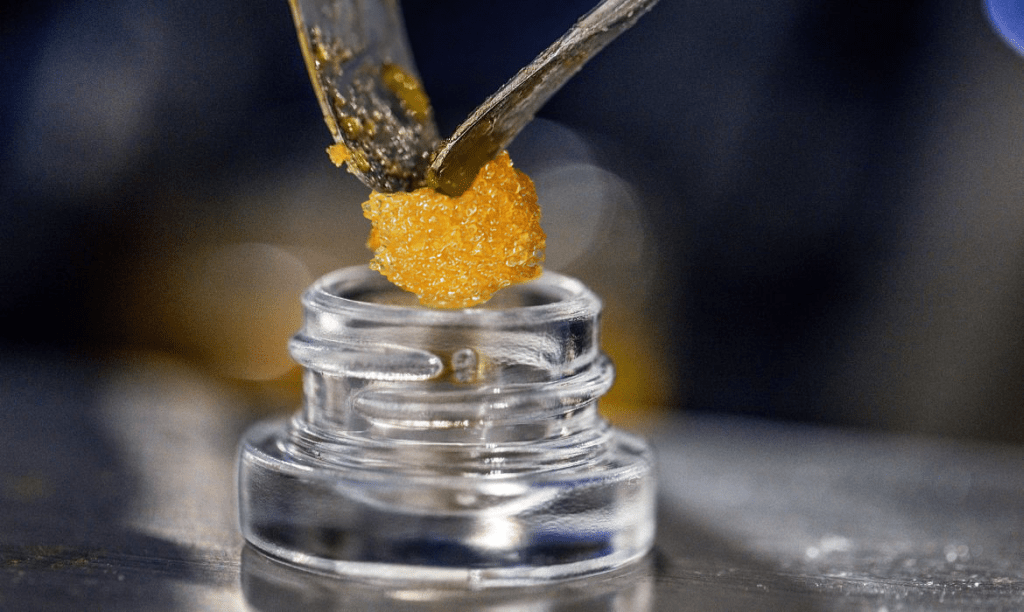
The evolution of cannabis extracts has expanded significantly beyond traditional options like cold water hash and kief, and now it includes various forms such as rosin, wax, shatter, crumble, budder, oil, and sap, each differing in quality, consistency, texture, and purity, suitable for dabbing, smoking, or cooking in edibles.
As concerns grow over the safety of chemical solvents in cannabis products, many consumers and policymakers are favoring solventless extraction methods, which yield purer and potentially safer cannabis extracts. Given the risks associated with residual solvents—such as toxic exposure and possible health complications—health-conscious consumers and medical users are increasingly opting for solvent-free options to mitigate these risks. Solventless extracts, unlike those produced using methods like BHO or CO2 oil, offer a cleaner alternative, aligning with the demand for more natural, chemical-free consumption.
Solventless extracts, such as rosin, rosin budder, and hash, showcase a variety of methods to enhance cannabis extraction without the use of solvents. Rosin, created by applying heat and pressure to cannabis material, results in a pure, potent extract that can take on various textures and colors, while rosin budder represents a whipped version with a creamier consistency. Traditional hash or hashish, made by hand-rubbing cannabis flower buds and then scraping off trichomes and compressing them into a ball, retains a rich history as an ancient concentrate but has evolved through techniques like dry-sifting and ice-water extraction, which separate trichomes for more refined products. Advances in extraction technology, such as freeze-drying, are also preserving the quality, flavor, and potency of these solventless options, making them increasingly popular within the cannabis community.
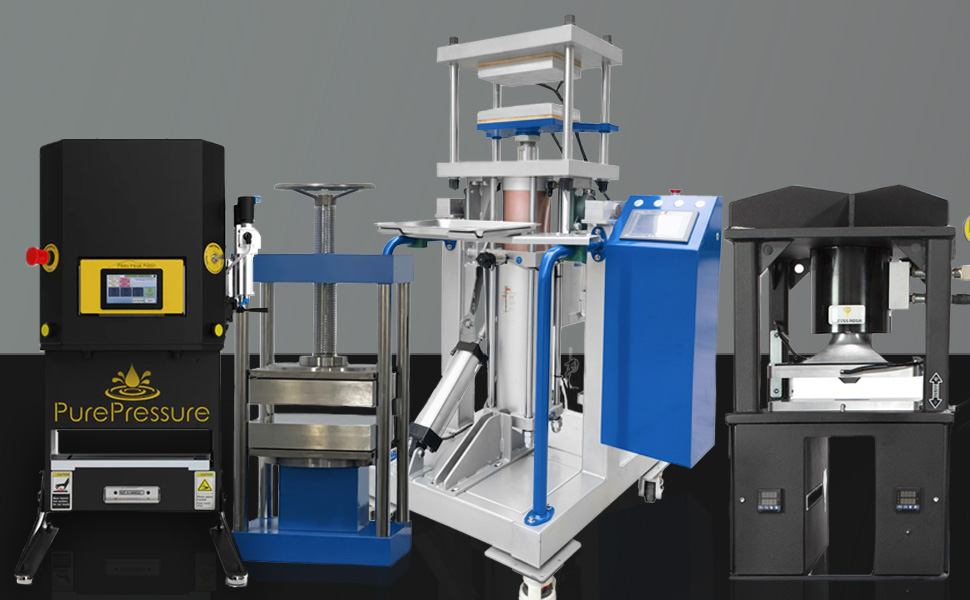

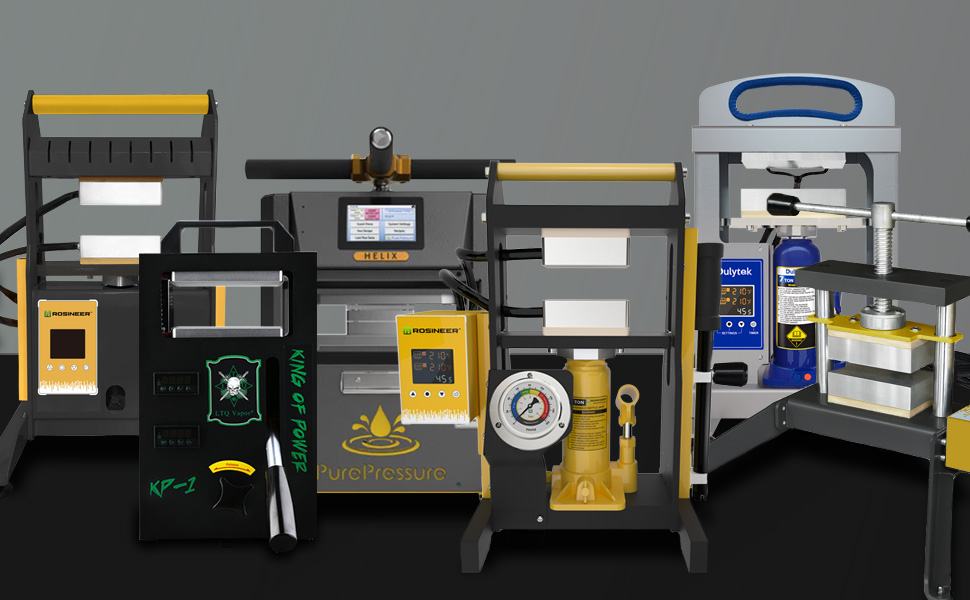
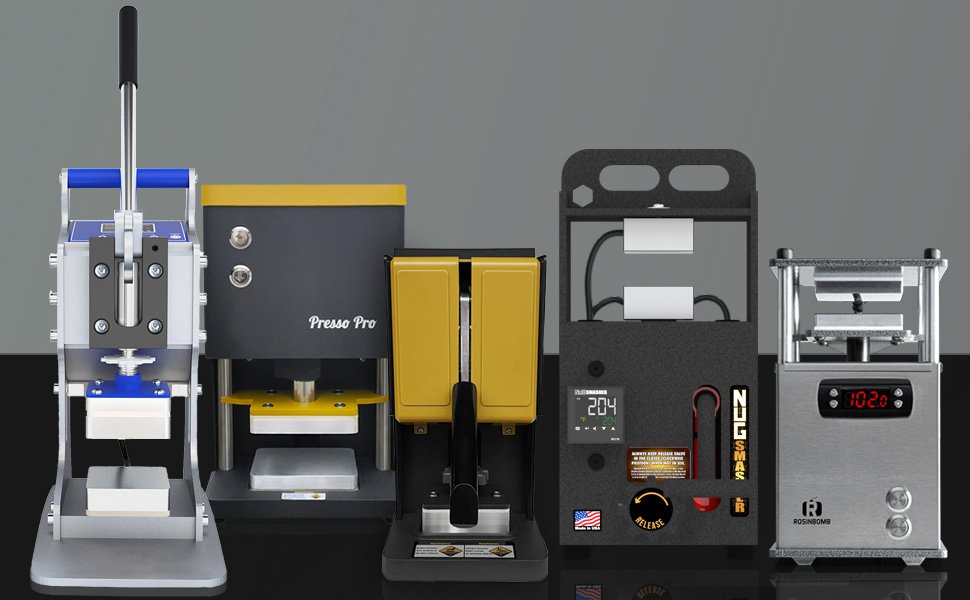
 ROSIN PRESS REVIEWS
Leave a comment