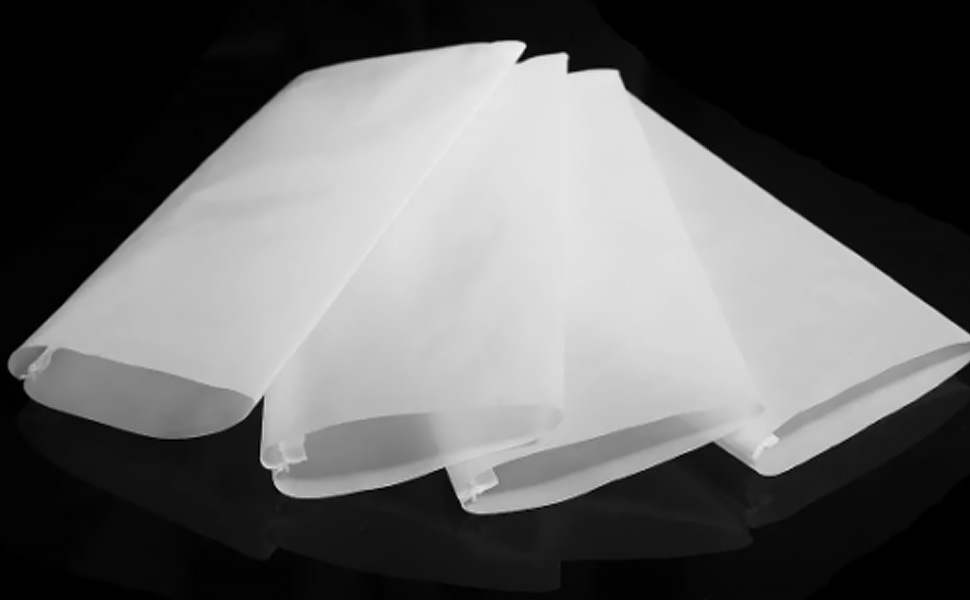
Deciding if You Need Filter Bags
Choosing whether to use a filter bag when pressing rosin is a personal decision that hinges on your preferences for taste and quality. If you prefer a product that retains the natural flavors and plant particles, forgoing a filter bag might be ideal, as it could replicate the experience of traditional smoking. However, using mesh bags can enhance the quality of your dabbing experience, though it may yield slightly less product. Ultimately, the choice between quality and quantity is yours to make based on what you value most in your rosin experience.
Types of Filter Bags
Nylon is considered the best material for filter bags due to its heat resistance, durability, and ability to stretch significantly under pressure, making it less likely to blowout compared to polyester or silk. In contrast, stainless steel mesh poses a risk of scratching and damaging surfaces, while polyester and silk bags are more prone to failure under heat and stress due to their less resilient properties.
Filter Bag Parameters
When selecting filter bags, it’s crucial to consider both the mesh size and the physical dimensions to ensure optimal performance and compatibility with your press plates. A smaller micron size indicates a tighter mesh, effectively trapping finer particles, while the bag dimensions must align closely with your press plates for efficient filtration. For instance, if you have a press with 2 by 6 inch plate press, options like 2 x 4, 2 x 5, or 2 x 6 filter bags can be ideal choices, providing the necessary fit and filtration capability based on your specific needs.
Selecting Mesh Size
When selecting filter bags for extracting cannabis concentrates, it’s essential to match the fineness of the precursor to the appropriate mesh size; finer materials like kief or bubble hash work well with tighter meshes, while coarser materials like flower or trim need looser meshes to facilitate proper flow during pressing. Start with fine mesh bags (25-75 microns) for kief and dry sift, medium mesh bags (75-160 microns) for bubble hash, and coarser mesh bags (160+ microns) for flower, trim, or shake to optimize extraction efficiency and quality.
Using Filter Bags
To prepare your filter bag for use, first invert it so that the seam is on the inside, then break up any larger pieces of the material and fill the bag evenly, ensuring it isn’t overstuffed to the edge. Fold the bag’s edge down to keep the contents secure, and if the bag is excessively long, trim it to avoid trapping any unused mesh, which could hinder the extraction. Additionally, pre-pressing the material into a uniform puck shape ensures a consistent thickness, which should not exceed a quarter inch for optimal results.
Preventing Filter Bag Blowouts
To prevent blowouts when using filter bags, avoid over-stuffing them with material, adhering to about half an ounce of flower per 2.5 x 4.5 filter bag. Apply pressure gradually to allow air and extract to escape, reducing the risk of blowouts. Additionally, using pre-press molds can eliminate excess air and create a uniform thickness in your material, ensuring even pressure distribution for improved yield.
Re-Using Filter Bags
While it is possible to clean and reuse filter bags by washing them with rubbing alcohol and soap, doing so carries risks such as retaining residual material and compromising the integrity of the mesh due to stretching, which can lead to blowouts. It’s often recommended to use new filter bags for optimal performance and to ensure product quality.
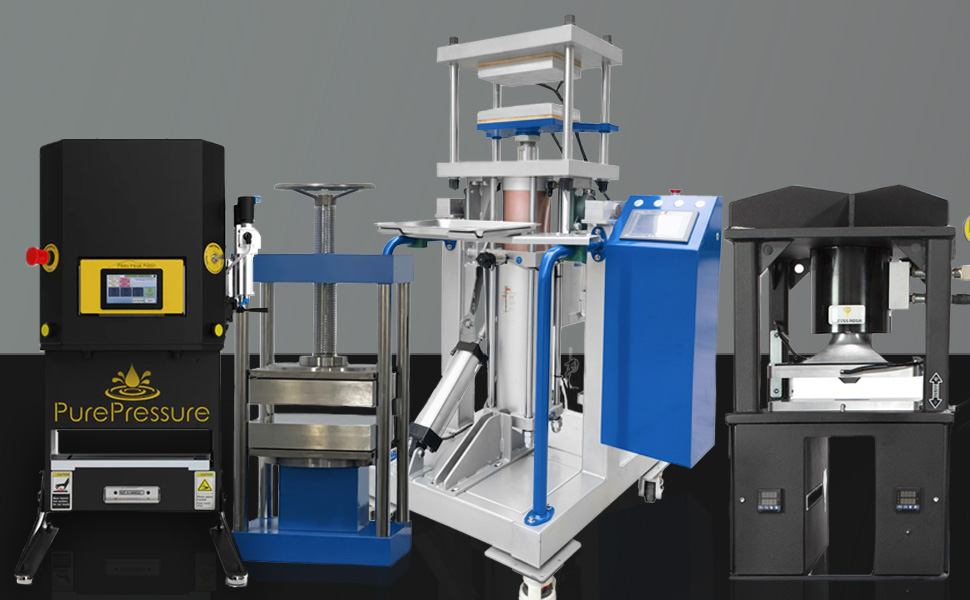

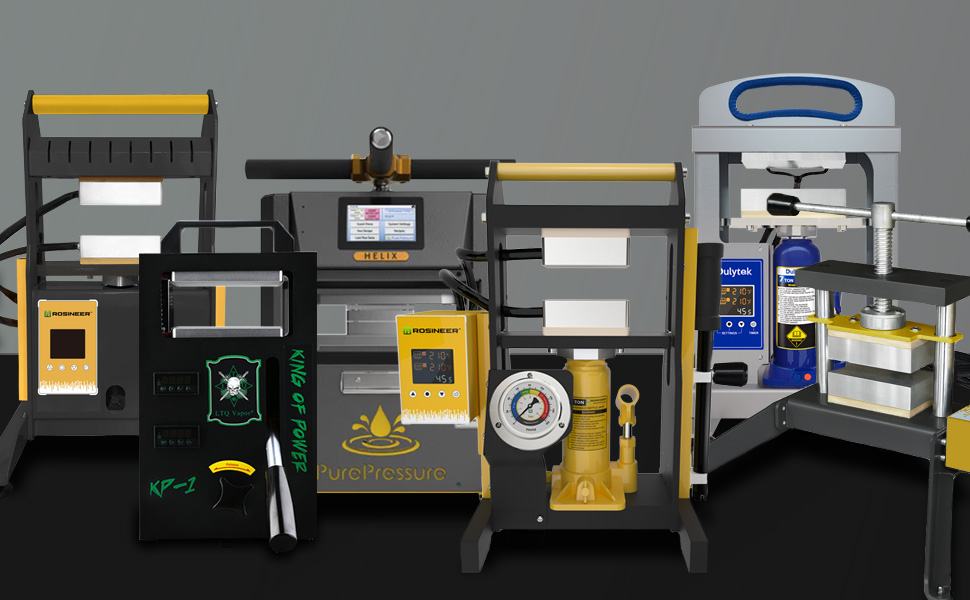
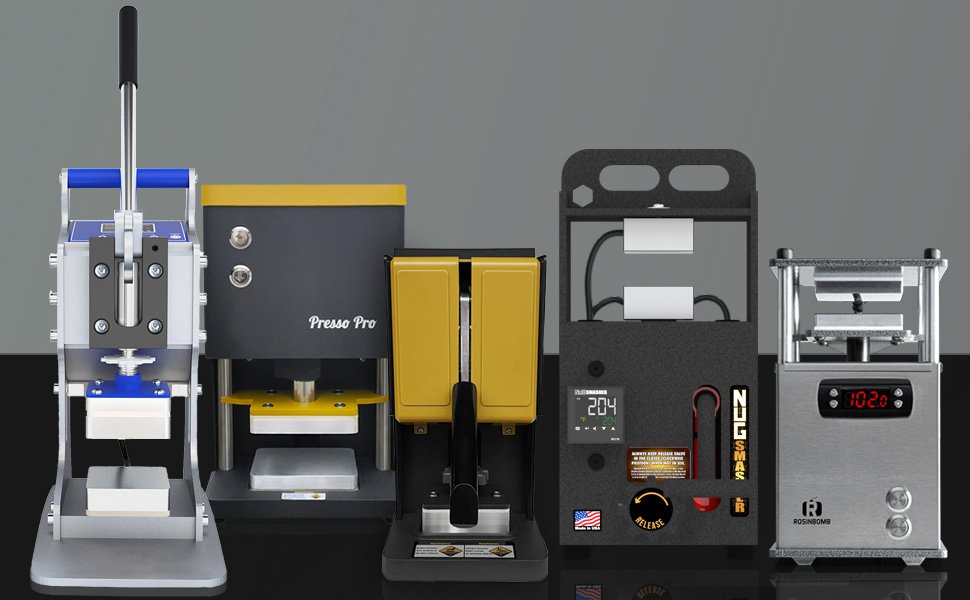
 ROSIN PRESS REVIEWS
Leave a comment